Skip to content
Richmond Auto RecyclingCall 604-800-7255
RichmondAuto Recycling Call604-800-7255

Sheet 02 of 09

Scrap car recycling in Richmond

Dead, rusted, half-stripped or just finished: if it's a whole vehicle sitting somewhere in Richmond, we'll buy it as scrap and tow it to the recycler.

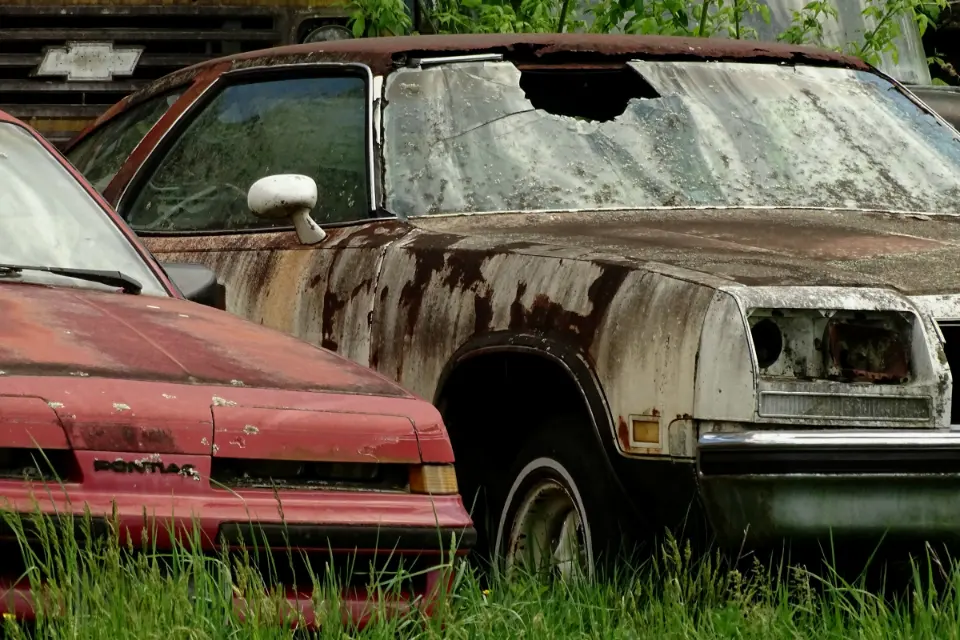
Rusted old sedan with a broken windshield sitting in long grass beside a faded red car
Photo ref. 01 A sedan rusted past the point of fixing (stock photo)
Project

Recycle a vehicle in Richmond

Sheet

Q-1

Condition
Remarks (optional)
Date

Today

Rather talk? 604-800-7255

  1. 1Priced on weight, plus anything a yard can still sell
  2. 2Flat tires and seized wheels are fine
  3. 3Paid at pickup, plates stay with you

Detail A

Signs a car is scrap, not a project

Scrap car recycling in Richmond usually comes down to one of these. If two or more apply, a repair rarely pays.

ConditionWhat it usually means
Engine knocking, seized or overheatingA rebuild or a swap that costs more than an older car is worth.
Transmission slipping or goneOften the end for a car past about fifteen years old.
Rust through the floor, rockers or frameA structural problem, not a cosmetic one, and it only spreads.
Hasn't moved in a year, tires flatSeals dry out, brakes seize and the battery dies. Getting it running again is a project on its own.
Repair quote bigger than the car's valueThe simple test. If fixing it costs more than it would sell for, it's scrap.
Flood or fire damageWiring and electronics go. ICBC brands flood-damaged cars non-repairable.

Leave the converter where it is

A car with its original catalytic converter is worth noticeably more than one without. Since March 2022, detached converters have been regulated metal in BC, and we only buy whole vehicles, so a car missing its converter loses value and a loose converter isn't something we'll take.

The same goes for the engine and transmission. If somebody offers to buy them off the car, ask us what the whole car is worth first, then compare. Usually the leftover shell is the part nobody wants, and you'd still have to get rid of it.

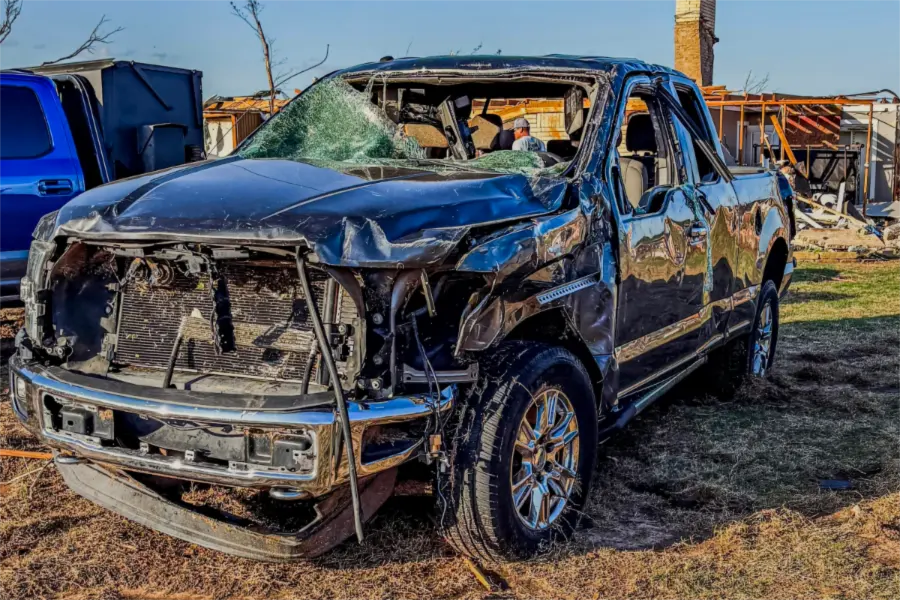
Black pickup truck with a crushed front end, bent bumper and smashed windshield on dry grass
Photo ref. 02 A pickup that won't be repaired (stock photo)

Detail B

On pickup day

Tick these off and the visit takes as long as loading does.

  • Clear out the car. Glovebox, trunk, under the seats, the sun visors and the spare tire well.
  • Find the registration and ID. Every registered owner signs, so every owner needs photo ID.
  • Plates off, or leave them for the driver. They go back to you either way.
  • Make a path. Move bins, bikes and the second car if the scrap car is boxed in at the back of the driveway.
  • Get paid, then sign. The driver pays you before you sign the APV9T.
  • Cancel the insurance. Visit an Autoplan broker if there's still a policy on it.

General notes

Scrap cars in Richmond: the finer points

Note 1

How scrap value is set

For a car that won't be driven again, the starting point is what the yard can recover from it: steel by weight, plus aluminum wheels, the converter and any parts that still sell. Metal prices move, so an offer from a few months ago may not match today's.

That's why we quote the car in front of us rather than a flat rate by type, and why two similar-looking cars can get different numbers.

Note 2

A dead car on your driveway

Richmond's Unsightly Premises Regulation Bylaw No. 7162 counts a car as derelict if it isn't insured, can't move under its own power, or is missing parts like the engine, doors, hood or tires. One derelict vehicle is allowed per property, but only parked or stored on hard surfacing.

So the old car on the lawn or the gravel strip beside the garage doesn't get the exception, even if it's the only one. Complaints lead to an order to comply, usually with 10 days to sort it out.

Note 3

A dead car on the street

Traffic Bylaw No. 5870 caps parking at any one place on a street at 72 hours in a row and bans parking without proper plates. A car that has stopped running on the street tends to hit both rules at once.

The City can have it towed to impound, and it isn't released until the towing and storage are paid. If yours is heading that way, call before the tag turns into a tow.

Note 4

Parting it out yourself

If you have the tools, the space and the patience, selling parts one at a time can bring in more than a whole-car offer. The catch is the leftover: a shell with no engine, fluids spilled during the work, and a bylaw that counts a car missing parts as derelict.

Most people who start parting a car out in a Richmond driveway end up calling a recycler for what's left.

Note 5

Where it goes after us

We take every scrap car to a recycling yard, where fluids, the battery, tires and any mercury switches come out under BC's dismantling regulation before the shell is crushed. Our guide on how car recycling works in BC walks through each step.

Note 6

Junk car, scrap car, same thing

People call it a junk car, a scrap car, a beater or just "the old car". For us it's the same job: a whole vehicle at the end of its life, bought from its owner and towed to be recycled.

If it was in a crash and you're not sure whether it's still yours to sell, read the write-off sheet first.

RFI log

Scrap car questions

RFI-01

How is a scrap car's value worked out?

Response

Mostly by weight and completeness. A heavier vehicle with its engine, transmission and catalytic converter still on it is worth more than a stripped shell. Year and model come next, since some cars still carry parts a yard can sell. We give one number for the whole car, with the tow included.
RFI-02

Will you take a car that's been sitting for years?

Response

Yes. Flat tires, seized brakes, moss on the roof and a dead battery are normal for scrap car recycling in Richmond. Tell us how long it's been parked and whether the wheels still turn, so the driver comes ready for a car that has to be pulled onto the deck.

RFI-03

Can I keep a few parts before you take it?

Response

You can, as long as you tell us what's coming off before we quote. Tires, a stereo or a roof rack make little difference. Pulling the engine, the transmission or the catalytic converter changes the number a lot, and we only buy whole vehicles, not loose parts.

RFI-04

There's a car on my property that isn't mine. Can you take it?

Response

Not by buying it from you. Only the registered owner, or the executor if the owner has died, can sell it. Owning the land doesn't give you the right to sell a car left on it. Richmond bylaw officers and the RCMP non-emergency line are the people to call about it.

RFI-05

Do I need to drain the gas or fluids first?

Response

No. Leave everything in. Draining fluids at home makes a mess and puts oil and antifreeze where they shouldn't go. The recycling yard drains every car under BC's dismantling rules, and we tow it there with whatever is in the tank.

RFI-06

What if the car has a lot of junk inside it?

Response

Take out anything you want to keep and any garbage you can. Papers in the glovebox, the garage opener on the visor and anything under the seats are the usual things people forget. A car full of household junk can't be loaded as is, so clear it before the pickup.

Sheet index

Related sheets

SheetNameOn it
01Auto recycling in RichmondWhat we take, how a pickup runs, where we go
03Write-offs and crashed carsWhen a crashed car is still yours to sell
07How car recycling worksFrom your driveway to the shredder
09Get a quoteWhat to send and what happens next
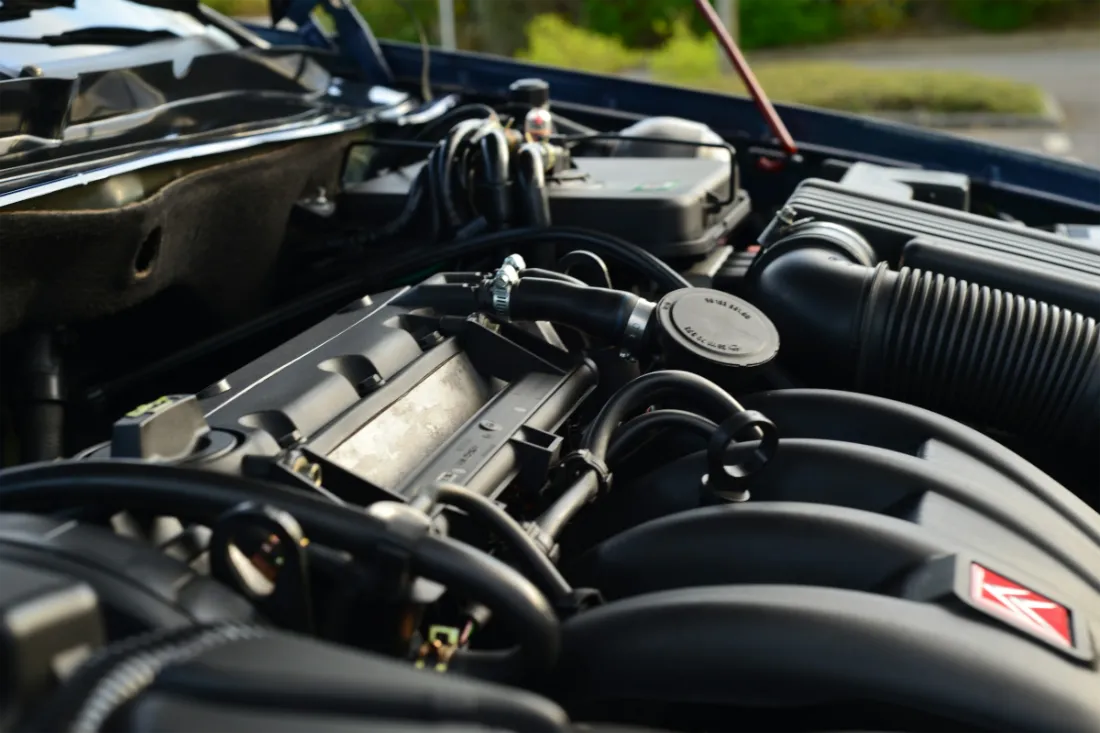
Close view of a car engine bay with hoses, the intake and fluid caps
Photo ref. 03 Under the hood of an older car (stock photo)

Issue for pickup

Got a scrap car in Richmond?

Tell us what it is and where it's sitting. You'll get a number for the whole car, tow included.

604-800-7255Send the details instead