Skip to content
Richmond Auto RecyclingCall 604-800-7255
RichmondAuto Recycling Call604-800-7255

Sheet 07 of 09

How car recycling works in BC, from the curb to the shredder

A plain walk-through of what happens to a car after it leaves your street, and the BC rules that decide how it's taken apart.

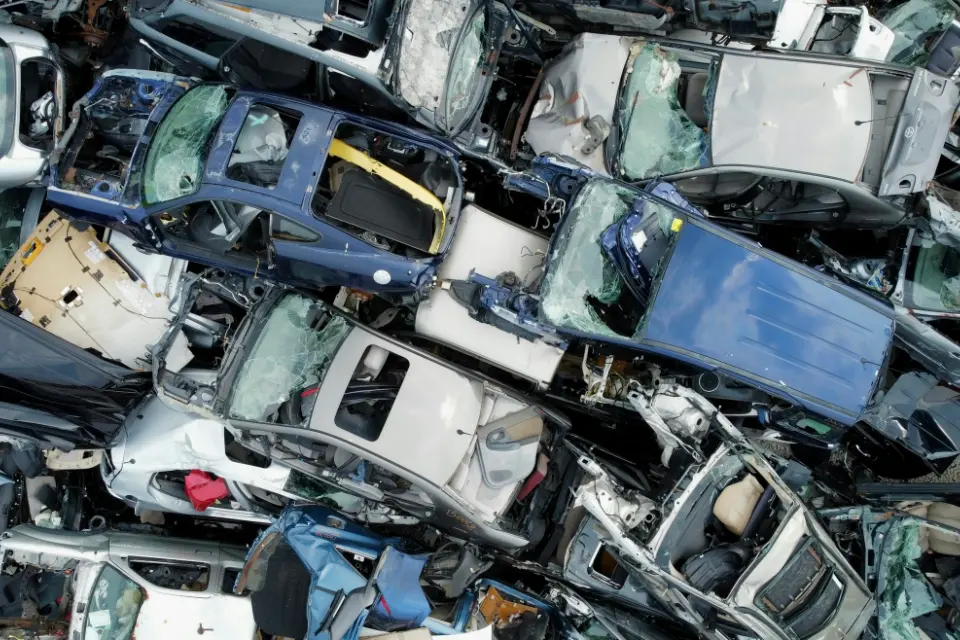
Pile of flattened and crushed cars stacked at a scrap yard
Photo ref. 01 Shells waiting for the shredder (stock photo)
Project

Recycle a vehicle in Richmond

Sheet

Q-1

Condition
Remarks (optional)
Date

Today

Rather talk? 604-800-7255

  1. 1Step by step, from the call to the shredder
  2. 2The BC rules each step follows
  3. 3Written for owners, not mechanics

Detail A

The whole sequence on one page

How car recycling works in BC, start to finish.

  1. Owner agrees to sell the whole vehicle
  2. Paperwork at the curb: registration, ID, then the APV9T after payment
  3. Towed to a registered vehicle recycling yard
  4. Depollution: fluids, refrigerant, battery, tires, mercury switches
  5. Parts with life left are pulled for resale
  6. Shell crushed and shredded. Metals go back to mills

General notes

How car recycling works in BC, step by step

Each note matches a box in the sequence above. Links go to the official source for the rules mentioned.

Note 1

Step 1: the sale and the paperwork

A recycler can only buy a car from its registered owner, or from the executor of the owner's estate. On pickup day the owner shows the registration (ICBC's APV250) and photo ID. Every registered owner signs.

The buyer pays first. Then the owner signs ICBC's Transfer/Tax Form (APV9T), a four-page form that needs original signatures. The plates come off and stay with the owner, who cancels the insurance at an Autoplan broker. If a lender has a lien on the car, it has to be released before any of this can happen. A VIN search at the Personal Property Registry shows it.

Note 2

Step 2: the tow to the yard

The car goes on a flatbed or a wheel lift to a vehicle recycling yard. A car that doesn't run is winched onto the deck. Nothing is drained at the owner's place, because draining is the yard's job and it's done where spills can be contained.

Once the car is on the truck, the owner's part is done.

Note 3

Step 3: why BC regulates the yards

BC's Vehicle Dismantling and Recycling Industry Environmental Planning Regulation took effect on September 1, 2007. Any facility that dismantles more than five "wet" vehicles a year, meaning cars that haven't yet been reduced to a bare steel hulk, has to register and work to an environmental plan.

The plan must be approved by a qualified professional, or the yard must belong to an association that has one, and it has to cover how each listed waste is stored, recycled or disposed of. It's reviewed every five years.

Note 4

Step 4: fluids come out first

The regulation lists the wastes a yard must manage, and most of them are liquid: oils, brake fluid, solvents, fuel and other hydrocarbons, antifreeze and windshield washer fluid. They're drained into separate containers before anything else happens.

Used oil, oil filters, antifreeze and their containers go through BC's stewardship program run by Interchange Recycling, formerly the BC Used Oil Management Association. Used oil can be re-refined into new lubricating oil.

Note 5

Step 5: refrigerant, the quiet one

The first item on the regulation's list is ozone depleting substances and other halocarbons. In a car that mostly means the air conditioning refrigerant. It's recovered with a machine into a sealed tank rather than being let out into the air.

It's invisible, so owners rarely think about it, and it's one of the main reasons cars shouldn't be crushed by anyone who isn't set up for it.

Note 6

Step 6: battery and tires

The lead-acid battery comes out next. BC's lead-acid battery program is run by the Canadian Battery Association, and the lead in old batteries is almost all recovered when they're smelted.

Tires go to Tire Stewardship BC's program. Scrap tires collected in BC are processed in the province, mostly into rubber products such as coloured landscaping mulch, with the rest used for energy.

Note 7

Step 7: mercury switches in older cars

Older vehicles used small mercury switches for hood and trunk lights and some braking systems. In December 2007, Environment Canada published a pollution prevention notice that required carmakers and steel mills to prepare and carry out plans for getting those switches out of end-of-life vehicles before they're crushed.

Mercury switches are on BC's list too, so yards pull them by hand from older cars.

Note 8

Step 8: parts that get a second life

Once the car is safe to handle, the yard pulls parts that are still worth selling: engines, transmissions, doors, lights, wheels and anything else that's in demand for that model. This is the part of a car's value that sits above plain scrap weight.

We don't sell parts ourselves. That's why a newer or popular model can earn a better offer than its weight alone would suggest.

Note 9

Step 9: crushing, shredding and the metal

What's left is flattened and fed through a shredder that tears it into fist-sized pieces. Magnets pull out the steel, other systems separate aluminum, copper and other metals, and the leftover plastic, foam and glass is called shredder residue.

The steel goes to mills and becomes new steel. In Richmond, Mitchell Island in the North Arm has hosted auto wreckers and metal recyclers since it was zoned industrial in 1949.

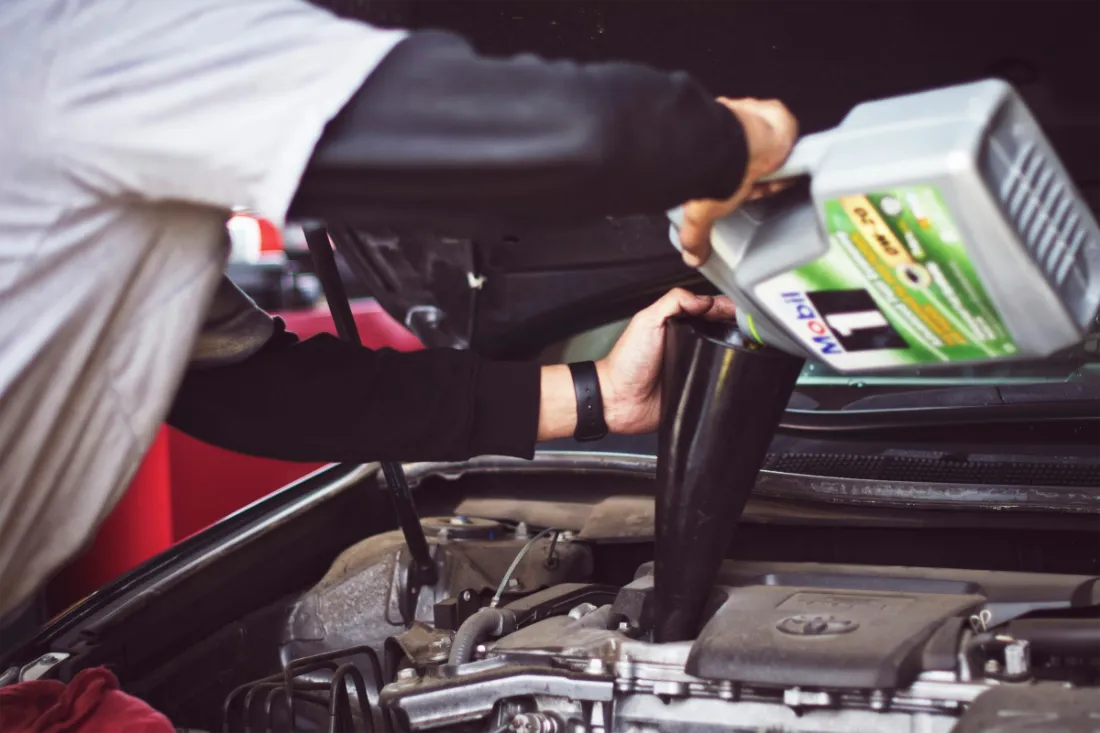
Person pouring motor oil from a jug into a funnel in an open engine bay
Photo ref. 02 Oil is the first thing a yard drains (stock photo)
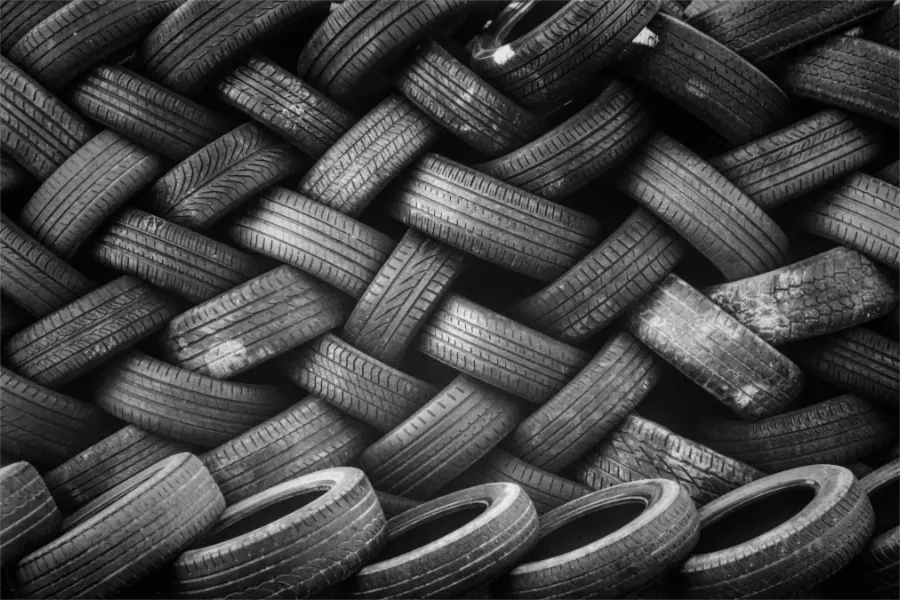
Large pile of used car tires stacked on top of each other
Photo ref. 03 Used tires headed for recycling (stock photo)
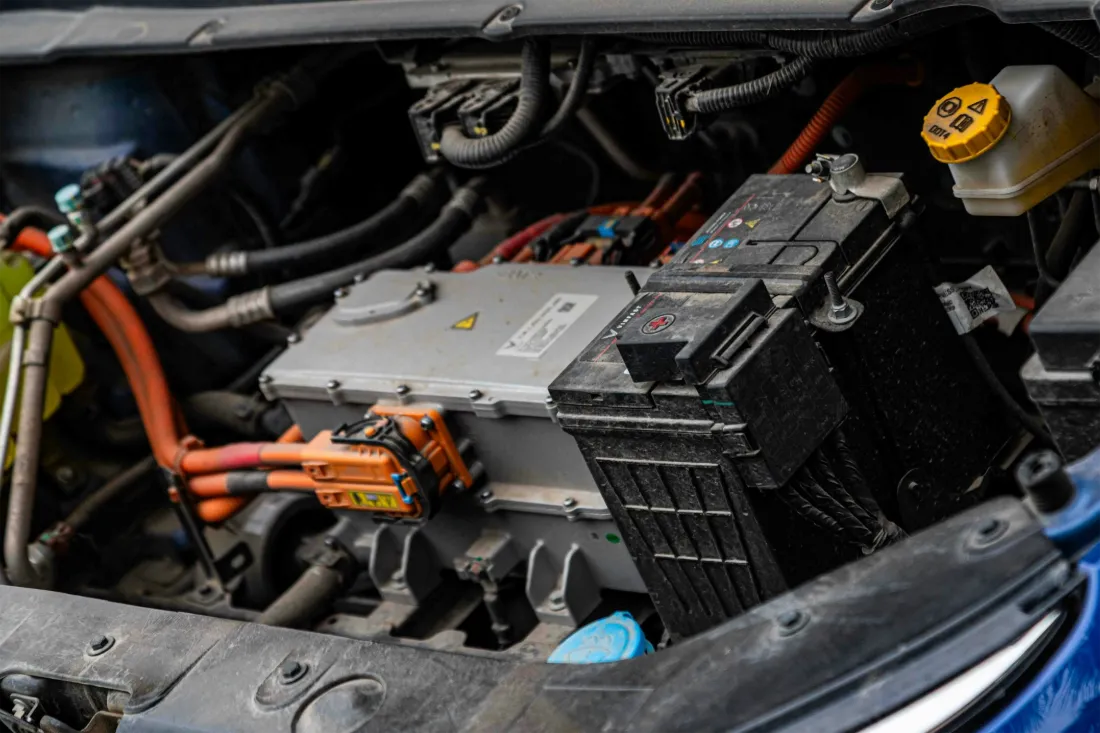
Car battery in an engine bay next to orange high-voltage cables
Photo ref. 04 A 12-volt battery beside a hybrid's orange high-voltage cables (stock photo)

RFI log

Recycling questions

RFI-01

How long does car recycling take from first call to pickup?

Response

The call and the offer take minutes. After that it depends on when you're free and where the trucks are. On the day, the paperwork takes a few minutes and loading takes as long as the car's position needs. Have the registration and ID ready and nothing holds it up.

RFI-02

Is anything from my car reused?

Response

Often, yes. Recycling yards pull parts that still have life in them before the shell is crushed, and sell them as used parts. Engines, doors, lights and wheels are common. We don't sell parts ourselves. We buy the car and deliver it to the yard.

RFI-03

Where does the steel go?

Response

The crushed shell goes through a shredder, where magnets pull out the steel and other systems separate aluminum, copper and the rest. The steel is sold to mills and melted into new steel, which is the main reason a scrap car has any value at all.

RFI-04

Do I get a receipt?

Response

You keep your copy of ICBC's Transfer/Tax Form (APV9T), which shows the sale, the date and the buyer. That's the record that matters if anyone asks later who owned the car on a given day. Keep it with your other papers.

RFI-05

What about hybrids and electric cars?

Response

They're recycled too, but the high-voltage battery is handled separately from the rest of the car. Tell us if the car is a hybrid or an EV when you call, and mention any crash damage near the battery pack so the right plan is made before pickup.

RFI-06

Does recycling a car cost me anything?

Response

Not with us. You're paid for the car, and the tow is included. If someone asks you for a fee to take an old car away, ask what they're doing with it and whether it goes to a registered recycling yard.

Sheet index

Related sheets

SheetNameOn it
01Auto recycling in RichmondWhat we take, how a pickup runs, where we go
02Scrap car recyclingDead, rusted and picked-over cars
03Write-offs and crashed carsWhen a crashed car is still yours to sell
08About usWho picks up and how you are paid

Issue for pickup

Have a car that's done?

Step 1 is a phone call or the title block at the top of this page.

604-800-7255Send the details instead